

Sunflower Seeds Shelled: Nutrition, Benefits, Uses & Complete Guide (2026)
Sunflower seeds shelled have become one of the most popular healthy snacks in the United States—and for good reason. Packed with essential nutrients, healthy fats, and plant-based protein, these tiny kernels offer a powerful nutritional punch in a convenient, ready-to-eat form.
Unlike traditional sunflower seeds that require cracking open a hard outer shell, shelled sunflower seeds (also known as sunflower kernels or hulled seeds) are pre-processed for ease of use. This makes them ideal for snacking, cooking, baking, and even adding to smoothies or salads.
In this complete guide, you’ll learn everything you need to know about sunflower seeds shelled—from their nutritional value and health benefits to the best ways to eat and store them.
What Are Sunflower Seeds Shelled?
Sunflower seeds shelled are the edible inner kernels of sunflower seeds, with the outer black-and-white striped shell removed. These seeds come from the sunflower plant (Helianthus annuus) and are widely consumed across the world.
Key Differences:
- In-shell seeds: Require cracking before eating
- Shelled seeds: Ready to eat, convenient, versatile
Because of their convenience, shelled sunflower seeds are commonly used in:
- Trail mixes
- Protein snacks
- Bakery products
- Vegan meals
Nutritional Value of Sunflower Seeds Shelled

One of the biggest reasons sunflower seeds are so popular is their impressive nutritional profile.
Per 1 ounce (28 grams):
- Calories: ~165
- Protein: 5–6 grams
- Fat: 14 grams (mostly healthy fats)
- Fiber: 3 grams
Rich in Key Nutrients:
- Vitamin E: Powerful antioxidant
- Magnesium: Supports muscle and nerve function
- Selenium: Boosts immunity
- Zinc: Supports immune health
- B Vitamins: Help with energy production
These nutrients make sunflower seeds a nutrient-dense food, meaning they provide a high amount of nutrition relative to their calorie content.
Top Health Benefits of Shelled Sunflower Seeds
1. Supports Heart Health
Sunflower seeds are rich in unsaturated fats, particularly linoleic acid, which helps reduce bad cholesterol (LDL). Regular consumption may lower the risk of heart disease.
2. Loaded with Antioxidants
Thanks to high levels of Vitamin E and selenium, sunflower seeds help protect your cells from oxidative stress and inflammation—two major contributors to chronic diseases.
3. Helps Regulate Blood Sugar
The combination of protein, fiber, and healthy fats slows digestion, which helps stabilize blood sugar levels and prevent spikes.
4. Boosts Immune Function
Minerals like zinc and selenium play a key role in strengthening the immune system and fighting infections.
5. Supports Weight Management
Although calorie-dense, sunflower seeds are highly filling. Their protein and fat content help control hunger and reduce overeating.
Types of Shelled Sunflower Seeds
Understanding the different types helps you choose the best option for your needs.
Raw Sunflower Seeds
- Minimally processed
- Retain maximum nutrients
- Ideal for health-conscious consumers
Roasted Sunflower Seeds
- Enhanced flavor
- Slight nutrient loss due to heat
Salted vs Unsalted
- Salted: Higher sodium
- Unsalted: Healthier choice for regular consumption
Organic vs Conventional
- Organic: Grown without synthetic pesticides
- Increasingly popular in the U.S. market
How to Eat Sunflower Seeds Shelled
One of the biggest advantages of shelled sunflower seeds is their versatility.
Easy Ways to Add Them to Your Diet:
- Sprinkle over salads
- Mix into oatmeal or yogurt
- Add to smoothies
- Use in baking (bread, cookies, muffins)
- Blend into homemade granola
They are also commonly used in:
- Trail mixes
- Energy bars
- Plant-based recipes
Sunflower Seeds vs Other Popular Seeds
| Feature | Sunflower Seeds | Pumpkin Seeds | Chia Seeds |
|---|---|---|---|
| Protein | Moderate | High | Low |
| Fiber | Moderate | Moderate | Very high |
| Vitamin E | Very high | Low | Low |
Key Takeaway:
Sunflower seeds stand out for their exceptionally high Vitamin E content, making them excellent for skin and immune health.
Are Shelled Sunflower Seeds Healthy?
Yes—sunflower seeds shelled are considered a healthy food when consumed in moderation.
Benefits:
- Rich in nutrients
- Heart-friendly fats
- Plant-based protein source
Potential Downsides:
- High in calories
- Salted varieties contain excess sodium
- May contain trace heavy metals like cadmium (in large amounts)
Recommended Daily Intake
For most people, a healthy serving size is:
👉 1 ounce (28 grams) per day
This amount provides significant health benefits without excessive calorie intake.
How to Store Shelled Sunflower Seeds
Because sunflower seeds are high in fat, they can spoil if not stored properly.
Storage Tips:
- Keep in an airtight container
- Store in a cool, dark place
- Refrigerate for longer shelf life
- Freeze for extended storage
Proper storage prevents the seeds from becoming rancid.
Sunflower Seeds in the American Diet
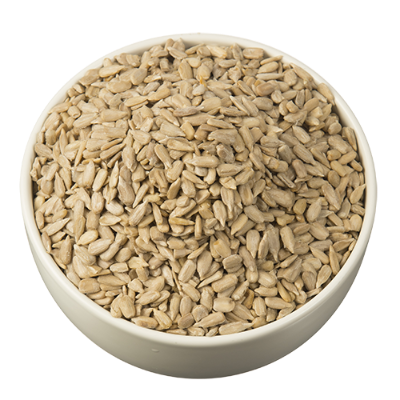
In the U.S., sunflower seeds have become a staple in many health-focused diets.
Common Uses:
- Healthy snacks
- Keto-friendly foods
- Vegan protein sources
They are widely used in:
- Protein bars
- Cereals
- Plant-based meals
Trend Insight:
The demand for plant-based protein and clean-label snacks is driving the popularity of sunflower kernels across the United States. Buy Now
Common Mistakes to Avoid
- Eating too many (high calorie intake)
- Choosing salted varieties regularly
- Storing improperly
- Ignoring portion sizes
Who Should Eat Sunflower Seeds?
Ideal For:
- Fitness enthusiasts
- Vegans and vegetarians
- People looking for healthy snacks
- Individuals aiming to improve heart health
Use With Caution:
- People on low-sodium diets
- Individuals with kidney-related concerns
Final Verdict
Sunflower seeds shelled are one of the most convenient, nutritious, and versatile snacks available today. Whether you’re looking to improve your diet, boost your energy, or simply enjoy a healthy snack, these seeds are an excellent choice.
When eaten in moderation and stored properly, they offer a wide range of health benefits—from heart health to immune support—making them a valuable addition to any diet.