
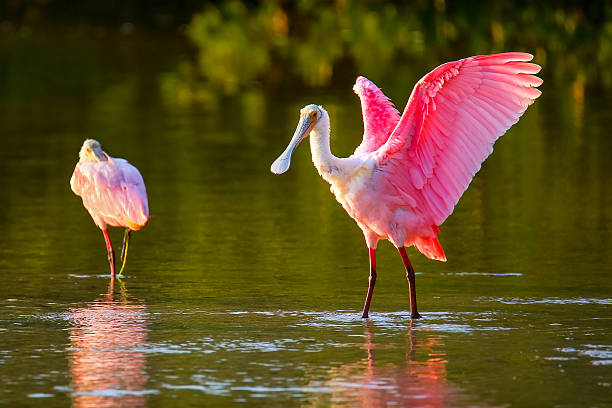
Wetland Birds in the USA: Complete Guide to Species, Habitats, Migration & Conservation (2026)
Wetland birds are one of the most important groups of wildlife in the United States. They depend on ecosystems such as marshes, swamps, lakes, rivers, estuaries, and coastal wetlands for survival. These environments provide food, shelter, nesting areas, and migration stopovers.
In the USA alone, wetlands support hundreds of bird species, making them one of the richest biodiversity zones in North America. Birds such as ducks, herons, cranes, egrets, and shorebirds rely heavily on wetlands throughout their life cycle.
According to the U.S. Fish & Wildlife Service, nearly 50% of North American bird species depend on wetlands at some stage of their life.
🔗 Source: https://www.fws.gov/program/migratory-birds
🟢 What Are Wetland Birds?
Wetland birds are species specially adapted to aquatic or semi-aquatic environments. They have evolved over time to survive in water-rich ecosystems.
🪶 Key Adaptations
Wetland birds typically have:
- Long legs for walking in shallow water
- Webbed feet for swimming
- Waterproof feathers to stay dry
- Specialized beaks for catching fish or filtering food
- Strong migratory instincts
For example:
- Herons use long spear-like beaks to catch fish
- Ducks filter small organisms using comb-like structures in their bills
- Shorebirds probe mud for insects and worms
These adaptations allow them to survive in diverse wetland ecosystems.
🔗 Reference: https://www.allaboutbirds.org (Cornell Lab of Ornithology)
🟢 Major Wetland Habitats in the USA
Wetland birds live in a variety of habitats across North America.
Marshes
Marshes are shallow wetlands filled with grasses, reeds, and aquatic plants. They support birds like:
- Rails
- Bitterns
- Red-winged blackbirds
Marshes are extremely important breeding zones.
Swamps
Swamps are wetlands dominated by trees. Common birds include:
- Wood ducks
- Herons
- Ibises
Swamps provide shelter and nesting safety.
Floodplains
Floodplains are seasonal wetlands formed when rivers overflow. They attract migratory birds due to abundant food supply.
Coastal Wetlands
These include estuaries and salt marshes along oceans. They support:
- Gulls
- Terns
- Sandpipers
- Plovers
Prairie Potholes
Located mainly in the Midwest USA, these small wetlands are critical breeding grounds for:
- Ducks
- Geese
- Swans
🟢 Common Wetland Birds in the USA
Wetlands support a wide diversity of bird species.
Waterfowl (Ducks, Geese, Swans)
Waterfowl are the most visible wetland birds. Examples include:
- Mallard ducks
- Northern pintail
- Canada geese
They rely on aquatic vegetation and small invertebrates.
Herons & Egrets
These are tall wading birds that hunt fish in shallow waters.
- Great blue heron
- Snowy egret
- Green heron
They remain motionless before striking prey quickly.
🪶 Cranes
Cranes are large migratory birds known for long-distance travel.
- Sandhill crane (most common in USA)
They migrate in large groups across flyways.
Shorebirds
Shorebirds feed along mudflats and shorelines.
- Sandpipers
- Plovers
- Avocets
They use long beaks to search for food in sand and mud.
Secretive Marsh Birds
These birds are difficult to observe:
- Rails
- Bitterns
They stay hidden in dense vegetation.
🟢 Migration of Wetland Birds
Wetland birds are among the most migratory species on Earth.
They travel through four major flyways:
🧭 1. Atlantic Flyway
🧭 2. Mississippi Flyway
🧭 3. Central Flyway
🧭 4. Pacific Flyway
These flyways connect breeding and wintering grounds across North America.
Wetlands act as critical stopover points where birds rest and feed before continuing migration.
🔗 Source: https://www.ducks.org
🟢 Importance of Wetlands for Birds
Wetlands provide essential survival needs:
- Food (fish, insects, plants)
- Safe nesting environments
- Migration rest stops
- Protection from predators
Without wetlands, many bird populations would decline or disappear.
🟢 Threats to Wetland Birds
Wetland birds face increasing environmental pressures:
🚨 Habitat Loss
Urban expansion and agriculture destroy wetlands.
🚨 Pollution
Chemicals and plastics damage ecosystems.
🚨 Climate Change
Rising temperatures affect migration timing.
🚨 Wetland Drainage
Wetlands are often drained for farming or construction.
These threats are reducing bird populations across the USA.
🟢 Conservation Efforts in the USA
The United States has strong conservation systems to protect wetland birds:
National Wildlife Refuge System
Protects millions of acres of bird habitat.
Migratory Bird Treaty Act
Legal protection for migratory bird species.
Duck Stamp Program
Funds wetland conservation projects.
Wetland Restoration Projects
Rebuild damaged ecosystems for bird survival.
🔗 Source: https://nationalzoo.si.edu
🟢 Birdwatching Hotspots in the USA
Wetlands are also popular for birdwatching tourism.
Everglades National Park (Florida)
Home to herons, egrets, and ibis.
Prairie Pothole Region
One of the most important duck breeding areas in the world.
Central Valley Wetlands (California)
Major stopover for migratory birds.
Great Salt Lake (Utah)
Supports millions of shorebirds annually.
Suggested Image Placement
Image idea: Great Blue Heron hunting in a wetland at sunrise in the USA
🟢 Role of Wetlands in Ecosystem Balance
Wetlands are not only important for birds but for the entire ecosystem:
- Filter water naturally
- Reduce flooding risks
- Store carbon
- Support fish and amphibians
- Maintain biodiversity
Wetland birds play a role in insect control and food chain balance.
🟢 Future of Wetland Birds
The future of wetland birds depends heavily on conservation actions.
While habitat loss continues, restoration efforts and protected areas are improving conditions.
Climate-smart conservation is now a key focus in the USA to protect migratory pathways.
🟢 FAQ Section
What are wetland birds?
Bird species that depend on aquatic environments like marshes, lakes, and swamps.
Which birds are wetland birds in the USA?
Ducks, herons, cranes, egrets, and shorebirds.
Why are wetlands important for birds?
They provide food, shelter, and migration stopovers.
What threatens wetland birds?
Habitat loss, pollution, climate change, and wetland drainage.
Where can I see wetland birds in the USA?
Everglades, Prairie Potholes, and coastal wetlands.