

Banskathi Rice – Complete Guide to History, Nutrition, Benefits & Uses (2026)
Rice is one of the most consumed staple foods in the world, feeding billions daily. Among the many traditional varieties, banskathi rice is gaining global attention for its aroma, nutrition, and cultural roots. While it has long been a household staple in Eastern India, it is now entering international markets, including the United States, as consumers look for healthier and more authentic grain options.
This comprehensive guide explores everything you need to know about banskathi rice—its history, production, nutritional value, health benefits, comparisons, and cooking methods.
What is Banskathi Rice?
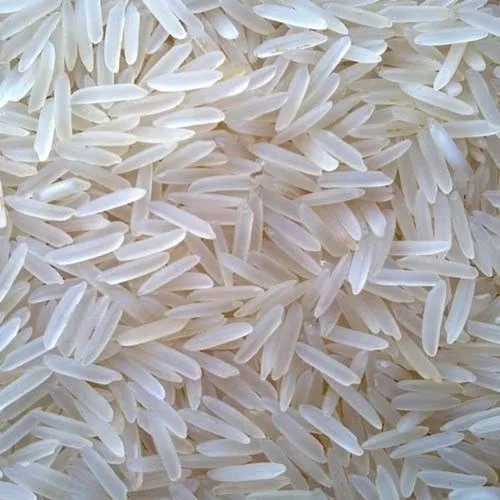
Banskathi rice is a long to medium-grain aromatic rice variety traditionally grown in Eastern India, especially in West Bengal. It is known for its mild fragrance, soft texture, and non-sticky consistency when cooked.
Unlike strongly aromatic rice varieties, this rice offers a subtle aroma and light taste, making it suitable for everyday meals as well as special dishes.
Key Characteristics:
- Slender, elongated grains
- Light natural fragrance
- Soft and fluffy after cooking
- Versatile for multiple cuisines
👉 Quick Answer:
Banskathi rice is a traditional aromatic rice variety from Eastern India known for its soft texture, mild fragrance, and balanced nutritional profile.
History and Origin of Banskathi Rice
The history of banskathi rice dates back centuries to the fertile agricultural lands of Eastern India and Bangladesh. It originated as a locally cultivated grain, preserved by farming communities over generations.
Traditional Roots
Farmers historically developed and maintained this rice variety using traditional seed preservation techniques. Unlike modern hybrid rice, banskathi rice retains its indigenous identity and natural characteristics.
Cultural Significance
- Widely used in Bengali cuisine
- Associated with daily meals and festivals
- Represents agricultural heritage
Modern Global Expansion
Today, due to rising interest in organic and traditional grains, banskathi rice is gaining popularity in:
- USA
- UK
- Middle East
This shift reflects a growing demand for authentic, less-processed foods.
Production and Cultivation Process

Ideal Growing Conditions
Banskathi rice thrives in:
- Humid subtropical climates
- Fertile alluvial soil
- Monsoon-based irrigation systems
Regions like West Bengal provide ideal conditions due to rich soil and consistent rainfall.
Farming Techniques
1. Traditional Farming
- Natural seed selection
- Minimal chemical use
- Sustainable practices
2. Modern Cultivation
- Improved irrigation
- Yield optimization
- Better pest control
Parboiling Process
Many varieties are parboiled, meaning partially boiled before milling. This:
- Preserves nutrients
- Enhances texture
- Improves shelf life
Harvesting
- Usually done manually
- Maintains grain quality
- Reduces breakage
Nutritional Profile of Banskathi Rice
Banskathi rice is a nutrient-rich carbohydrate source that provides energy and essential minerals.
Nutritional Value (Per 100g approx.)
- Calories: 340–360 kcal
- Carbohydrates: 75–78 g
- Protein: 6–9 g
- Fiber: 1.5–3 g
- Fat: <1 g
- Iron: 1–2 mg
- Magnesium: ~25 mg
- Vitamin B complex present
Key Nutritional Highlights
- High-energy food
- Contains essential micronutrients
- Low fat content
- Naturally gluten-free
👉 Snippet Answer:
Banskathi rice contains carbohydrates for energy, moderate protein, and essential minerals like iron and magnesium.
Detailed Mineral and Vitamin Breakdown
Beyond basic nutrition, banskathi rice contains important micronutrients that support bodily functions.
1. Iron (Fe)
- Supports red blood cell production
- Helps prevent anemia
- Essential for oxygen transport
2. Magnesium (Mg)
- Supports muscle and nerve function
- Helps regulate blood pressure
- Plays a role in over 300 enzymatic reactions
3. Potassium (K)
- Maintains fluid balance
- Supports heart health
- Helps regulate muscle contractions
4. Vitamin B Complex
- B1 (Thiamine): Energy metabolism
- B3 (Niacin): Brain function
- B6: Protein metabolism
👉 These nutrients make banskathi rice not just a filler food, but a functional dietary component.

Glycemic Index and Blood Sugar Analysis
The glycemic index (GI) measures how quickly food raises blood sugar levels.
Where Banskathi Rice Stands
- Estimated GI: Moderate range (50–65)
- Lower than many refined white rice varieties
- Higher than brown rice but easier to digest
Implications for Health
- Suitable for balanced diets
- Can be consumed by diabetics with portion control
- Best paired with:
- Protein (chicken, lentils)
- Fiber (vegetables)
👉 This combination reduces the overall glycemic load of a meal.
Role in Weight Management
Many people assume rice leads to weight gain, but this depends on portion size and dietary balance.
Why Banskathi Rice Can Support Weight Goals
- Provides satiety (keeps you full longer)
- Low fat content
- Easily digestible
Best Practices for Weight Control
- Pair with vegetables and lean protein
- Avoid overeating
- Use controlled portions (1 cup cooked)
👉 When eaten properly, banskathi rice can be part of a healthy weight management plan.
Banskathi Rice in Modern Diet Trends
As global food habits evolve, banskathi rice fits into several popular diet trends:
1. Gluten-Free Diet
Naturally gluten-free, making it suitable for:
- Celiac patients
- Gluten-sensitive individuals
2. Plant-Based Diets
- Ideal carbohydrate source for vegans
- Complements legumes for complete protein
3. Clean Eating Movement
- Minimally processed
- Traditional cultivation
- Free from artificial additives
Health Benefits of Banskathi Rice
1. Provides Sustained Energy
Rich in carbohydrates, it acts as a primary energy source, fueling daily activities.
2. Supports Digestive Health
Its soft texture and moderate fiber content make it easy to digest, especially for sensitive stomachs.
3. Naturally Gluten-Free
Suitable for people with:
- Gluten intolerance
- Celiac disease
4. Supports Heart Health
- Low fat content
- Contains beneficial minerals
5. Helps Maintain Satiety
When combined with proteins and vegetables, it helps:
- Control hunger
- Maintain balanced diet
6. Potential Blood Sugar Control
While still a carbohydrate, its moderate glycemic response makes it better than highly refined rice when eaten in moderation.
Banskathi Rice vs Other Rice Types
Banskathi Rice vs Basmati Rice
| Feature | Banskathi Rice | Basmati Rice |
|---|---|---|
| Aroma | Mild | Strong |
| Texture | Soft | Fluffy |
| Usage | Daily meals | Special dishes |
| Origin | Eastern India | India & Pakistan |
Banskathi vs Jasmine Rice
- Banskathi: less sticky
- Jasmine: slightly sticky
Banskathi vs Brown Rice
- Brown rice: higher fiber
- Banskathi: easier digestion
👉 Conclusion:
Banskathi rice offers a balanced middle ground between taste, nutrition, and digestibility.
How to Cook Banskathi Rice (Step-by-Step Guide)
Traditional Method
- Rinse rice thoroughly
- Use 1:2 rice-to-water ratio
- Boil on medium heat
- Cook for 12–15 minutes
- Let it rest before serving
Rice Cooker Method
- Add rice and water
- Switch on cooker
- Let it auto-cook
Pro Tips
- Do not overcook
- Avoid excess water
- Let rice rest for fluffiness
Popular Recipes Using Banskathi Rice
- Steamed rice with curry
- Vegetable pulao
- Fried rice
- Rice pudding (kheer)
Its non-sticky texture and mild aroma make it suitable for both traditional and modern dishes.
Is Banskathi Rice Healthy?
Yes, banskathi rice can be considered a healthy staple when consumed in moderation.
Why It’s Healthy
- Contains essential nutrients
- Easily digestible
- Low in fat
Who Should Be Careful
- Diabetics (portion control needed)
- Low-carb diet followers
Role in Sustainable Agriculture
Banskathi rice contributes to:
- Preservation of indigenous crops
- Support for small farmers
- Reduced chemical farming
Traditional cultivation methods make it part of the sustainable food movement.
Why Banskathi Rice is Trending in the USA
1. Rise of Global Cuisine
Americans are exploring international foods and flavors.
2. Health-Conscious Consumers
Demand for:
- Gluten-free grains
- Natural foods
3. Organic Food Movement
Preference for:
- Non-hybrid crops
- Traditional farming
Storage and Shelf Life
Best Practices
- Store in airtight containers
- Keep in a cool, dry place
- Avoid moisture
Shelf Life
- Up to 12 months (proper storage)
Common Myths About Banskathi Rice
❌ Myth 1: Same as Basmati
✔️ Reality: Different aroma and texture
❌ Myth 2: Not Nutritious
✔️ Reality: Contains essential minerals
❌ Myth 3: Only Used in India
✔️ Reality: Growing global demand
Expert Insights & Research Perspective
Nutrition experts emphasize the importance of traditional grains like banskathi rice because:
- They are less processed
- Retain more natural nutrients
- Support dietary diversity
Compared to refined grains, traditional rice varieties provide a better balance of taste and nutrition.
Final Thoughts
Banskathi rice is more than just a grain—it represents tradition, nutrition, and sustainability. With its growing popularity in the USA and beyond, it is becoming a preferred choice for those seeking healthy and authentic food options.
Whether you are exploring new cuisines or looking for a healthier rice alternative, banskathi rice offers a perfect combination of:
- Taste
- Nutrition
- Cultural richness
FAQs
What is Banskathi rice?
Banskathi rice is a traditional aromatic rice variety from Eastern India known for its soft texture and mild fragrance.
Is Banskathi rice healthy?
Yes, it contains essential nutrients, is low in fat, and easy to digest.
How is Banskathi rice different from basmati rice?
It has a milder aroma and softer texture compared to basmati rice.
Can diabetics eat Banskathi rice?
Yes, but in moderation due to its carbohydrate content.
How do you cook Banskathi rice?
Cook using a 1:2 rice-to-water ratio for 12–15 minutes or use a rice cooker.