
Art Elective Programme: The Ultimate Guide to Creative Education in the USA (2026)
The Rising Importance of Art Elective Programmes in Modern Education
In the evolving landscape of education in the United States, the focus is no longer limited to traditional academic subjects like mathematics, science, and language arts. Today, schools are increasingly prioritizing holistic development, ensuring that students are equipped with both analytical and creative skills. This shift has brought the art elective programme into the spotlight as a crucial component of modern education.
An art elective programme allows students to explore creative disciplines as part of their academic journey. These programs are designed to encourage imagination, innovation, and self-expression—skills that are essential in the 21st-century workforce.
📊 Data Insight:
Research from U.S. education studies indicates that students who participate in arts education are:
- 4 times more likely to be recognized for academic achievement
- More engaged in school activities
- Better at problem-solving and critical thinking
In a world driven by innovation, creativity is no longer optional—it’s a necessity.
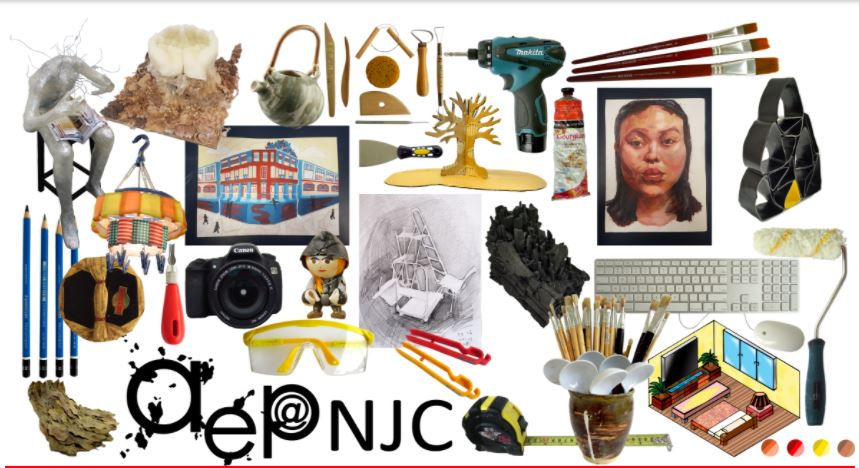
Art electives are not just about painting or drawing. They now include digital design, animation, video production, music technology, and performing arts, making them highly relevant in today’s digital economy.
Whether a student aims to pursue a creative career or simply wants to develop essential life skills, an art elective programme provides a powerful platform for growth.
What Is an Art Elective Programme?
An art elective programme is a collection of optional courses within a school curriculum that focuses on creative and artistic disciplines. Unlike required subjects, elective programs give students the flexibility to choose courses based on their interests and goals.
Common Types of Art Electives:
- Visual arts (drawing, painting, sculpture)
- Digital arts (graphic design, animation, video editing)
- Performing arts (theater, dance, acting)
- Music (instrumental, vocal, music theory)
These programs are widely offered in:
- Middle schools
- High schools
- Colleges and universities
Why Art Elective Programmes Matter in the USA
1. Encouraging Creativity and Innovation
Art electives provide a safe space for students to:
- Experiment with ideas
- Develop original thinking
- Express themselves freely
Creativity is a key driver of innovation in industries such as technology, marketing, and design.
2. Improving Academic Performance
Studies show that students involved in arts education often:
- Perform better in math and reading
- Have improved concentration
- Develop stronger study habits
3. Building Emotional Intelligence
Art helps students:
- Understand emotions
- Build empathy
- Communicate effectively
4. Preparing for Future Careers
The U.S. economy is increasingly driven by creative industries, including:
- Digital media
- Entertainment
- Design and marketing
Art electives provide foundational skills for these careers.
Structure of an Art Elective Programme
1. Beginner Level (Introductory Courses)
Students are introduced to:
- Basic drawing techniques
- Color theory
- Art history
2. Intermediate Level
Focus on skill development:
- Painting and composition
- Digital design tools
- Mixed media projects
3. Advanced Level
Students specialize in specific areas:
- Portfolio development
- Advanced techniques
- Independent projects
4. Assessment Methods
Unlike traditional exams, art electives use:
- Project-based assessments
- Portfolios
- Presentations
- Peer reviews
Types of Art Elective Courses
Visual Arts
Includes:
- Drawing
- Painting
- Sculpture
Digital Arts
Covers:
- Graphic design
- Animation
- Video editing
Performing Arts
Includes:
- Theater
- Dance
- Acting
Music
Focuses on:
- Instruments
- Vocal training
- Music theory
Benefits of an Art Elective Programme
1. Enhances Critical Thinking
Students learn to:
- Analyze visual information
- Interpret meaning
- Solve problems creatively
2. Builds Confidence
Completing creative projects helps students:
- Gain self-esteem
- Present their work
- Accept feedback
3. Encourages Collaboration
Group projects promote:
- Teamwork
- Idea sharing
- Respect for diversity
4. Develops Practical Skills
Students gain hands-on experience with:
- Art tools
- Digital software
- Creative techniques
Art Electives in the U.S. Education System
Middle School
- Basic exposure to creative subjects
- Exploration-based learning
High School
- Specialized courses
- Portfolio preparation
- Career exploration
College Level
- Advanced programs
- Professional training
- Industry-focused skills
How to Choose the Right Art Elective
Consider:
- Your interests
- Your skill level
- Your career goals
Ask Yourself:
- Do I enjoy creative activities?
- Do I prefer digital or traditional art?
- What skills do I want to develop?
Challenges in Art Elective Programmes
Limited Resources
Some schools may lack:
- Equipment
- Materials
- Skilled instructors
Time Management
Balancing electives with academic subjects can be challenging.
Misconceptions About Art
Art is sometimes seen as less important than core subjects.
Online Art Elective Programmes
Benefits:
- Flexible learning
- Access to global resources
- Digital skill development
Challenges:
- Less hands-on practice
- Requires self-discipline
Career Opportunities from Art Electives
Creative Careers:
- Graphic designer
- Animator
- Illustrator
- Photographer
Performing Arts Careers:
- Actor
- Dancer
- Musician
Emerging Careers:
- UX/UI designer
- Content creator
- Game designer
Future Trends in Art Education
1. Digital Transformation
Use of:
- Tablets
- Design software
- Virtual reality
🔗 2. Interdisciplinary Learning
Combining art with:
- Technology
- Science
- Business
3. Global Collaboration
Students collaborate internationally through digital platforms.
Conclusion: Why Art Elective Programmes Are Essential for the Future
An art elective programme is no longer just an optional addition to education—it is a critical component of modern learning in the United States.
Data Insight:
Students who participate in arts education are:
- 20–30% more engaged in school
- More likely to pursue higher education
- Better prepared for creative and analytical careers
In today’s innovation-driven economy, creativity is one of the most valuable skills a student can develop.
Art elective programmes provide:
- A platform for self-expression
- Skill development opportunities
- Career readiness
They also help students:
- Build confidence
- Improve communication
- Develop problem-solving skills
As education continues to evolve, schools that invest in strong art programs will better prepare students for both academic success and real-world challenges.
FAQ Section
What is an art elective programme?
An art elective programme is a set of optional courses focused on creative subjects like visual arts, music, and performing arts.
Why are art electives important?
They improve creativity, academic performance, and emotional intelligence.
Are art electives useful for careers?
Yes, they provide skills needed in creative and digital industries.
Can beginners join art electives?
Yes, most programs are beginner-friendly.
Are online art electives effective?
Yes, especially for digital and flexible learning.